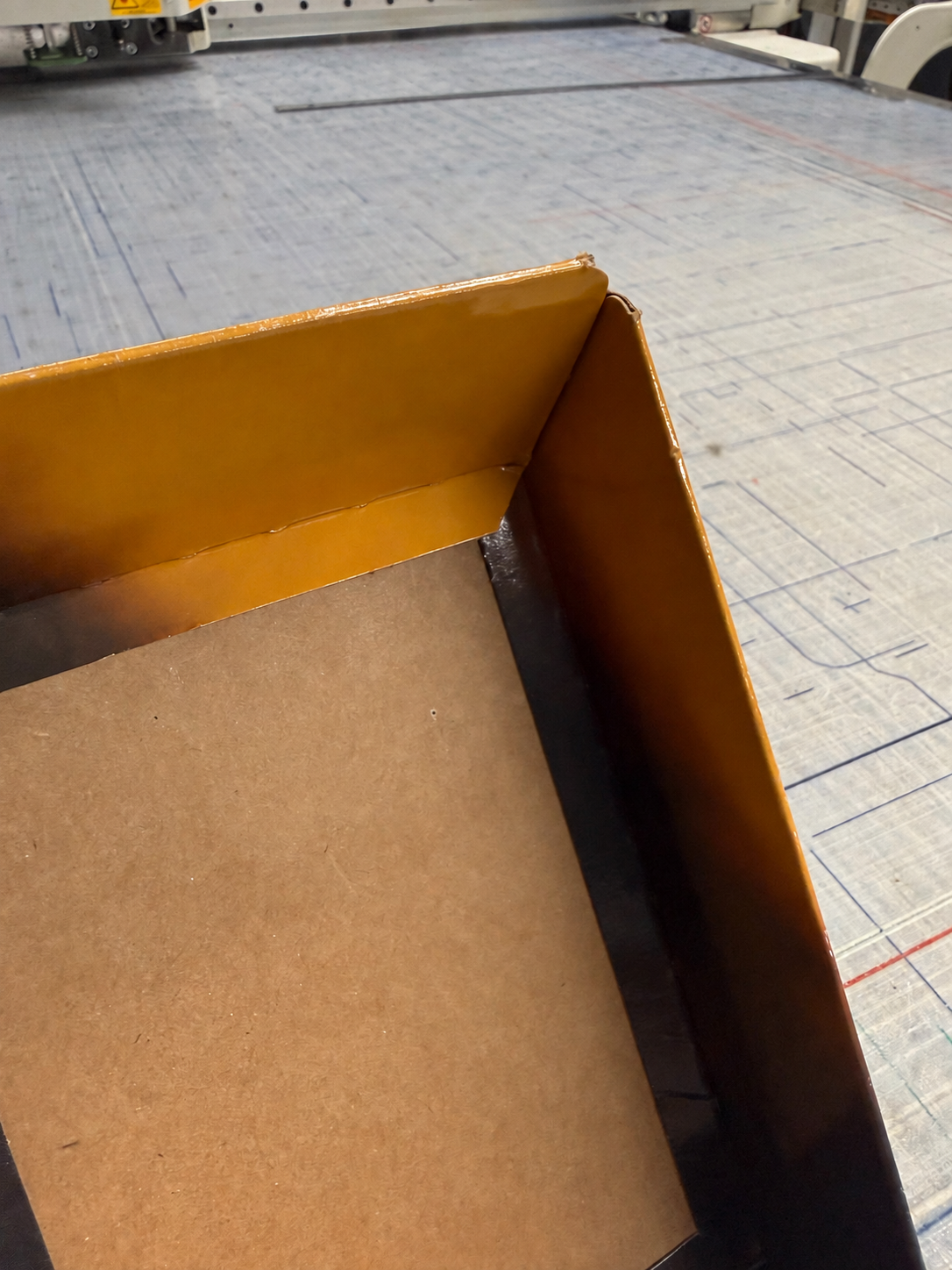
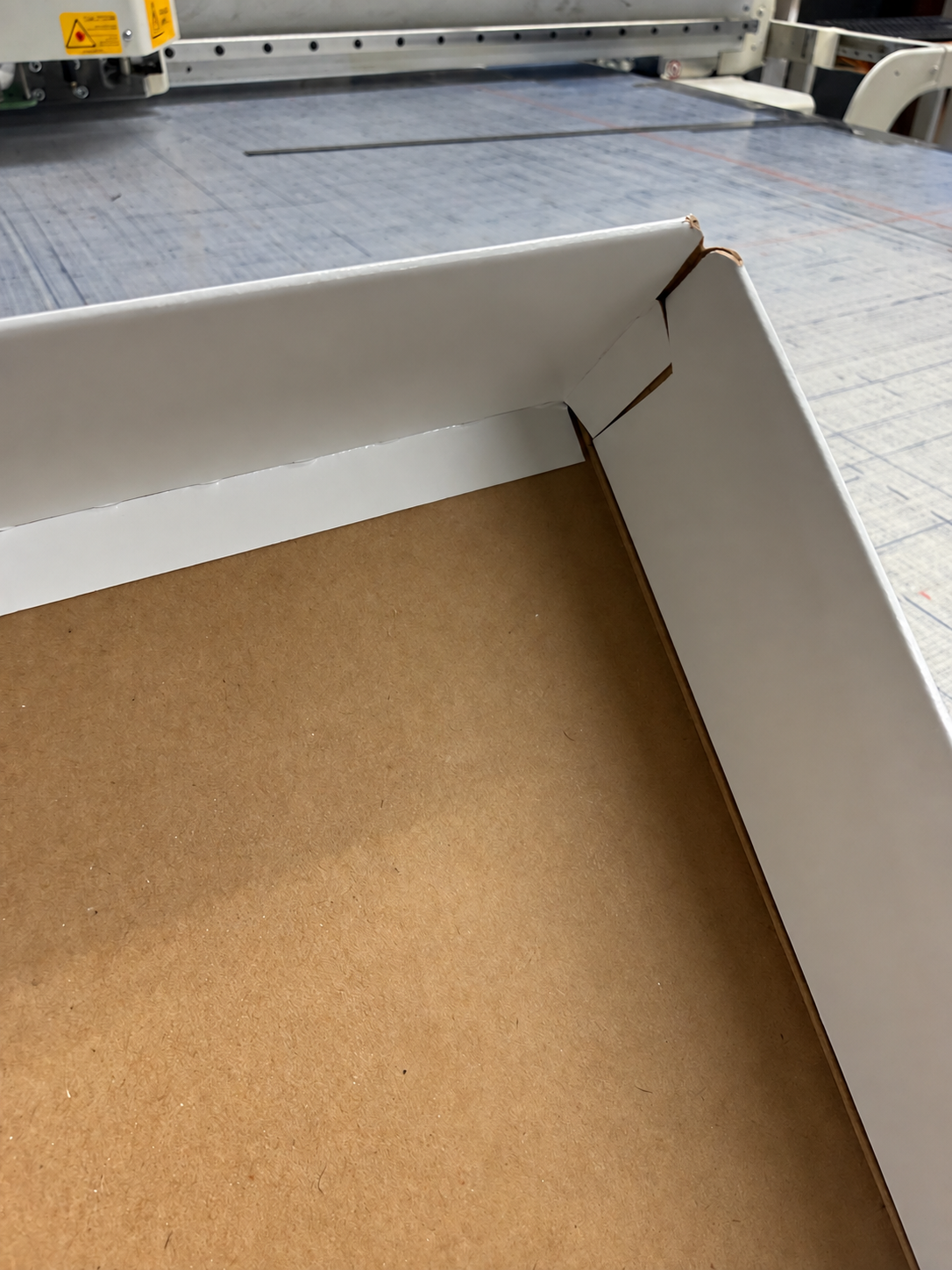
The brand talks to you. You talk to us. Artwork, approvals, and program questions route through your team. We follow the contact permissions you establish.
Folding cartons for co-manufacturers & co-packers
Keep your
line moving.
Your customers count on you.
Count on a carton partner who gets it.
Custom folding cartons built around your equipment, your brand approvals, and your production schedule, from a Chicago-area folding carton manufacturer that has supplied co-manufacturers, co-packers, and contract packagers for decades.
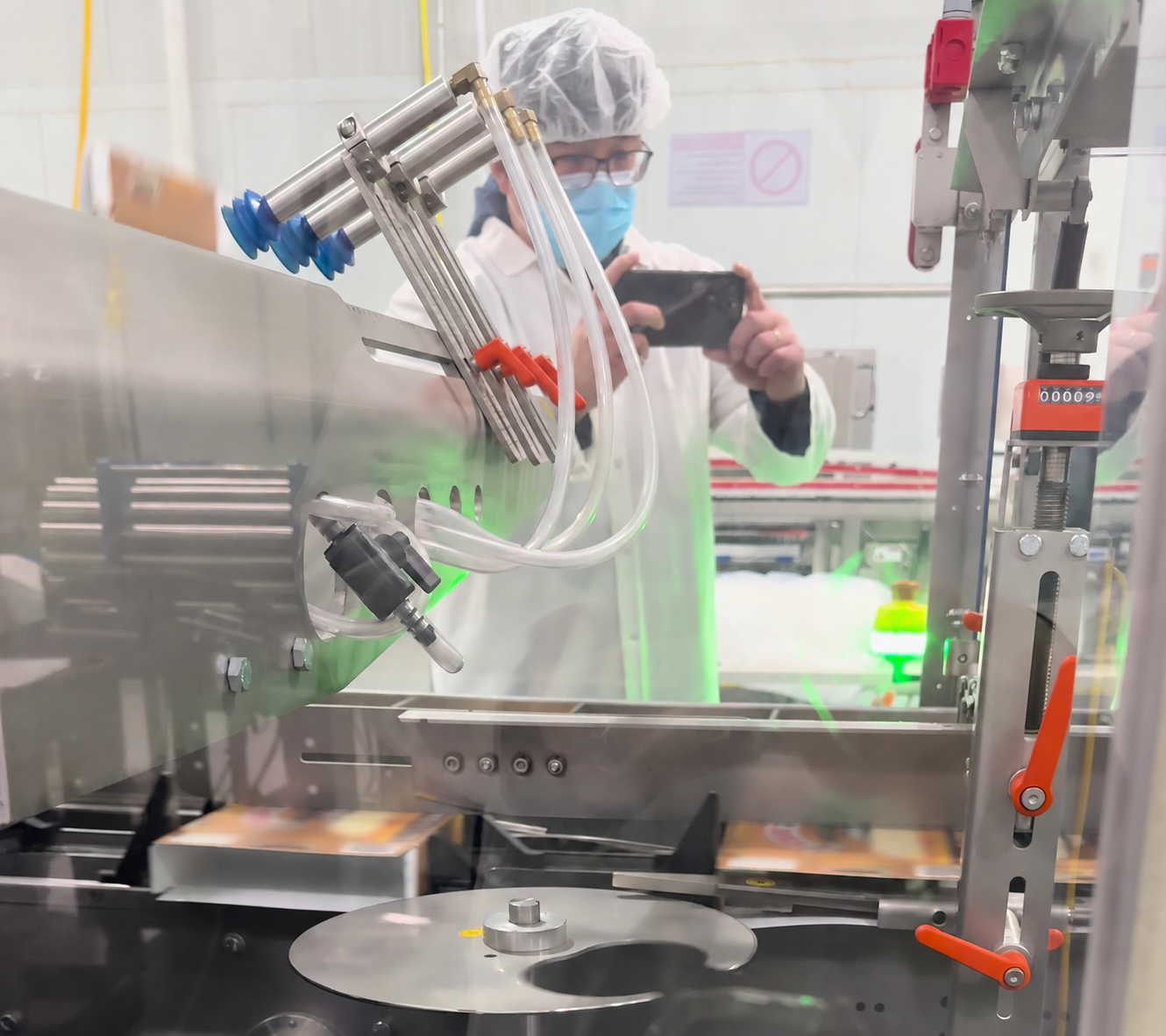
On the floor at Graph-Pak / High-speed folder-gluer line
1.5 billionCartons glued since 2020
~17 millionCartons glued per monthAnnual average
What does your next carton need to solve?
01 / The carton and the cartoner
A carton is part of
your production line.
Your operators know what runs well—and what slows the line down. We listen first. Then we focus on a carton that runs consistently, order after order.
Send a case of what you’re running
We review structure, board, caliper, and score performance, starting with what your operators are seeing.
See the full picture
When an on-site review would help, our technical team watches the cartons and cartoner run, talks with operators, and reviews conditions around your facility before recommending changes.
Prove it out on your line
Unprinted trials can be coated, die-cut, and glued for evaluation on your equipment. We define materials, tooling, and test scope up front. What a horizontal cartoner needs from a folding carton.
Planning a new line? Share your product and packing requirements early. OEM drawings and machine details are helpful if available.
CAD sample or machine trial?
A CAD sample checks structure and product fit. A machine trial uses cartons made through the planned production process to evaluate performance on your equipment. We define materials, tooling, quantity, and cost before proceeding.
Customer result / A Midwest meat processor
From hand-closing trays
to a faster forming line.
Two people were closing fresh-sausage trays by hand after the former. Graph-Pak redesigned the lock, then refined it through two rounds of CAD samples and one plant visit.
- Forming speed
- ~50 to 110trays/min proved out
- Open trays
- 50%+ to Near zeroleaving the former
- Manual closing
- 2 peoplereassigned to other work
110 trays/min was the former's rated maximum. The plant runs slightly below that so downstream operations keep pace.
A little room made the difference.
The initial fit was too tight to allow enough play during forming.
The clearance is intentional. A slightly larger receiving cutout gives the foot room to engage reliably during forming.
See how the redesign worked
The problem
More than half the trays left the former with one end open. The friction-only lock allowed little tolerance for variation in scores or folds.
The change
We designed a mechanical lock and refined it through CAD samples and a plant visit. The initial fit was too tight to allow enough play during forming. Opening the receiving cutout slightly gave the foot room to engage consistently—the small adjustment that made the design work on the line.
On the line
After the second sample round, open trays were near zero. The former proved out at 110 trays/min, and both people moved to other work.
02 / Your program, from order to release
Plan the volume.
Finalize the SKU mix closer to print.
Once the carton is ready for your line, we plan supply around your schedule. Where this approach fits your program, commit the total quantity to reserve board and press time. We set specifications, approval timing, and the SKU cutoff with your team.
Order the total
Confirm run quantity and program specifications.
Reserve board & press
Plan materials and production around that commitment.
Finalize the SKU split
Set the mix against current demand by the agreed cutoff.
Print & release
Produce the approved mix and ship to the release plan.
More production space.
Less carton juggling.In-house warehousing and scheduled releases, with inventory levels, timing, and commercial terms defined for your program.
Less carton juggling.In-house warehousing and scheduled releases, with inventory levels, timing, and commercial terms defined for your program.
Who talks to the brand? You decide.
Set the arrangement before the program starts.
Work directly with the brand—with your go-ahead. We coordinate artwork and material questions, with you included. Line and delivery decisions stay with your team.
The brand buys. You pack. The brand purchases the cartons and we ship to your dock. Your equipment, handling requirements, and production schedule remain part of the program.
The carton price is only part of the cost. We review line performance, waste, inventory, and freight as part of your program.
Programs we can talk through
- Frozen pizza & prepared foods
- Bars & retail multipacks
- Confectionery & formed trays
- Beverage & RTD multipacks
- Household & consumer products
Retailer private label? Bring artwork standards, case packs, pallet patterns, and documentation requirements into the review.
03 / Inspected at the gluer
Our final checkpoint.
Before your line.
The folder-gluer is our last production step and final opportunity to catch issues before cartons are case-packed and shipped to your facility.
Discuss your inspection requirementsMix detection
Keep SKUs separate.
Different SKUs—even within the same brand—can carry different ingredient and allergen information. A carton mix-up can create a food-safety risk and lead to a recall.
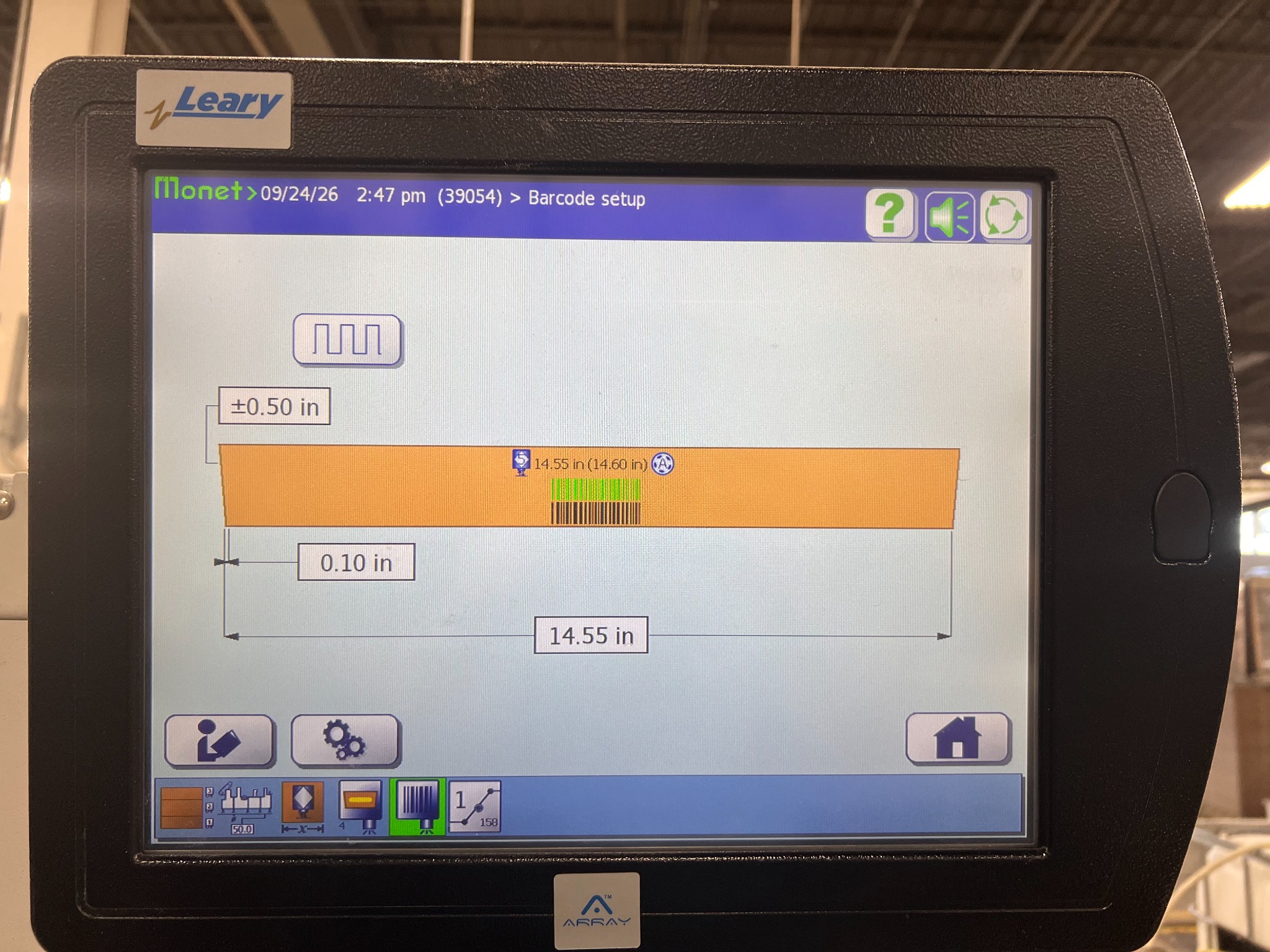
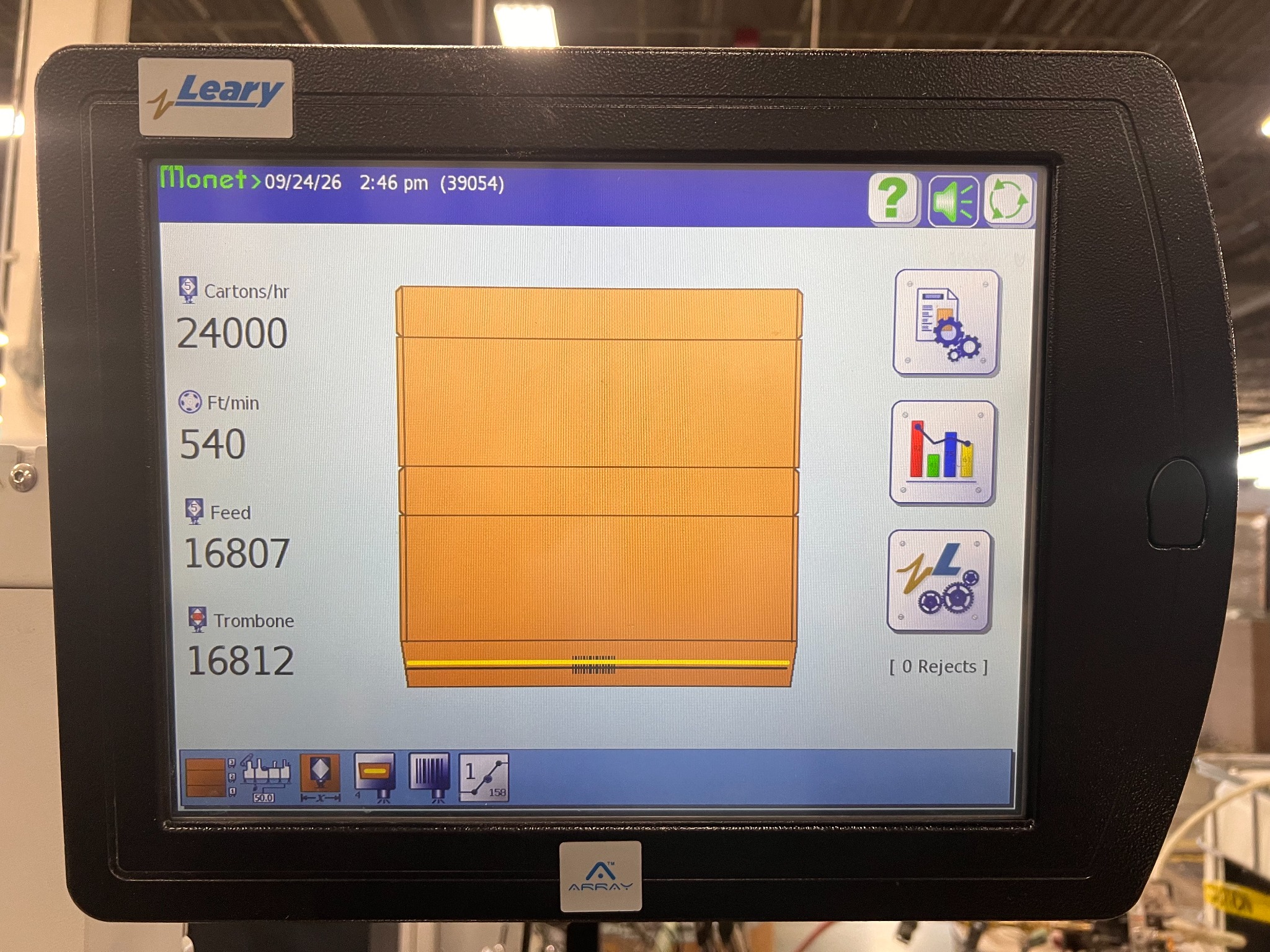
Our W. H. Leary systems verify each carton’s barcode multiple times against the job’s expected code. A detected mismatch triggers automatic ejection from the line.
2,000+barcode scans
per second
per second
Glue inspection
Protect your line time.
Too little glue can cause cartons to jam or hang up in the cartoner. Too much can make them stick together in the case or hopper—or prevent them from opening cleanly at the magazine. Either can mean downtime, waste and lower output.
Our W. H. Leary systems verify glue presence, placement, volume and bead length against job specifications. Cartons with detected glue faults are automatically ejected before case packing.
Case-level traceability
Trace every carton back to its original roll of paperboard.
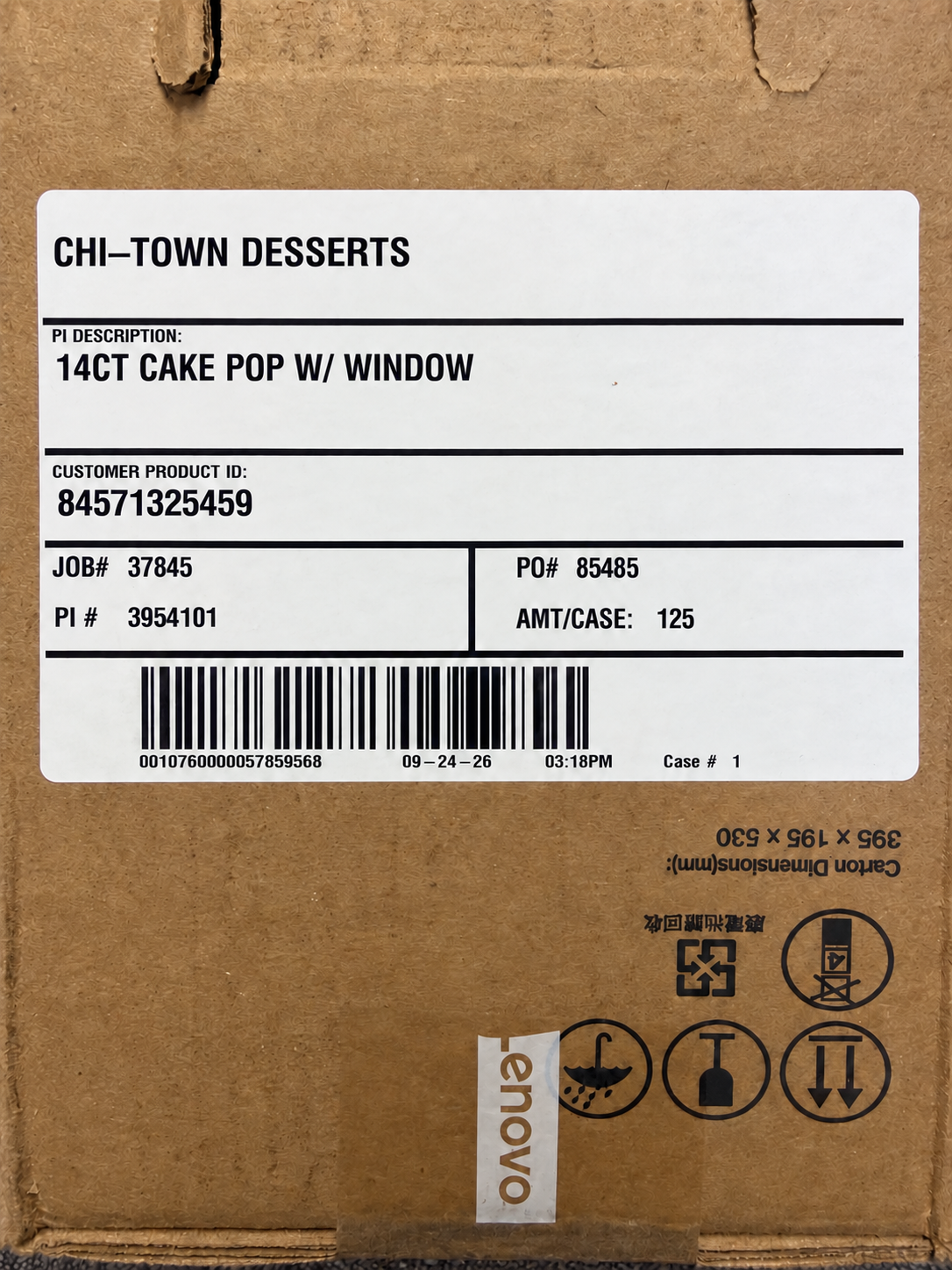
The unique Unit ID on each case connects your cartons to their production history—including machines, dates, times, operators and the paperboard roll they came from.
If an issue arises, give us that ID. We can follow the production trail to support investigation and containment decisions, and provide the mill with the roll information for further tracking.
For purchasing & quality teams
Make supplier approval
part of the plan.
Qualifying a new program or second source? Send your supplier questionnaire and brand or retailer requirements. We’ll review documentation, specifications, and trial needs with your team.
Start supplier review- ISO 9001:2015
- Certified quality management system
- HACCP / GMP
- Documented and reviewed HACCP-based food-safety program for packaging production, supported by Good Manufacturing Practices.

Supplier diversity
MBE certified
Certified Minority Business Enterprise through NMSDC.
Sustainability assessment
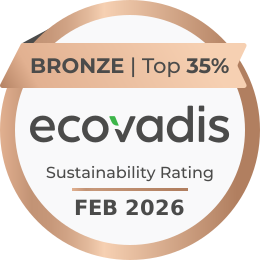
EcoVadis Bronze Medal
Recognition of our sustainability management system.
View our EcoVadis ratingQuestions co-manufacturers ask
Frequently asked questions
Does Graph-Pak make folding cartons for co-manufacturers and co-packers?
Yes. Graph-Pak is a Chicago-area folding carton manufacturer that has supplied co-manufacturers, co-packers, and contract packagers for decades. Most of what we make runs on a customer's cartoner or a co-packer's line before it reaches a shelf.
Can you match the carton we're already running on our line?
That's the usual starting point. Send a case of what you're running and tell us what your operators are seeing. We review structure, board, caliper, and score performance, and where it helps, our technical team visits to watch the cartons and cartoner run before recommending changes.
What is a line-fit trial?
Unprinted cartons made through the planned production process, coated, die-cut, and glued, run on your own equipment before the printed order. Materials, tooling, quantity, and cost are defined up front. A CAD sample checks structure and product fit; a line-fit trial checks how the carton performs on your machine.
How does Graph-Pak keep a mixed SKU out of a case?
W. H. Leary systems on our folder-gluers verify each carton's barcode against the job's expected code and automatically eject any mismatch before case packing. The same systems check glue presence, placement, volume, and bead length on every carton.
Can we commit a total quantity and finalize the SKU mix later?
On programs where it fits, yes. Committing the total reserves board and press time; the per-SKU split is set against current demand by an agreed cutoff before print. Specifications, approval timing, and the cutoff are set with your team when the program starts.
Who handles communication with the brand?
Whichever arrangement you set before the program starts. Some co-manufacturers route all artwork, approvals, and questions through their own team; some have Graph-Pak work directly with the brand with their go-ahead; on some programs the brand buys the cartons and Graph-Pak ships to the co-manufacturer's dock.
Can a case of cartons be traced back to its production records?
Yes. The unique Unit ID on each case label links the cartons to their production history, including machines, dates, times, operators, and the paperboard roll they came from. Give us the ID and we can follow the production trail to support investigation and containment, and pass roll information to the mill.
What certifications and documentation can Graph-Pak provide for supplier approval?
ISO 9001:2015, certified for more than twenty years; a documented, reviewed HACCP-based food-safety program supported by Good Manufacturing Practices; NMSDC Minority Business Enterprise certification; and an EcoVadis Bronze Medal. Send your supplier questionnaire and any brand or retailer requirements and we'll review documentation, specifications, and trial needs with your team.
Do you work with retailer private-label programs?
Yes. Bring the retailer's artwork standards, case packs, pallet patterns, and documentation requirements into the review and they become part of the program specification.
A practical way to begin
Start with one carton.
Build from there.
You don't need a complete specification to open the conversation. Send us what you have, and we'll help define the next step.
Talk through your program Or call (847) 451-7400Family-owned since 1976 in Franklin Park, Illinois. Structural design, prepress, printing, die-cutting, and gluing under one team.
Get to know Graph-Pak